

 Study
Study
an increase in the price of something
가격 인상
 There was a price hike in electricity bills this month.
Correction Result
very expensive and of high quality
고급의, 최고급의
They opened a high-end restaurant downtown.
Correction Result
strong support or love for a person, group, or brand
충성심, 충성도
His loyalty to the team never changed.
Correction Result
strongly focused on expensive and fancy items
고급 지향적인
Her style is very luxury-driven.
Correction Result
what people think about someone or something
평판, 명성
He has a bad reputation for being late.
Correction Result
making a lot of money
수익성 있는
The business became very profitable.
Correction Result

used to mean raising a price or number
언급하다, 화제로 꺼내다
The company brought up the price of their products last month.
Correction Result
to be easy to notice because something is different, better, or more interesting
눈에 띄다, 두드러지다
His bright yellow jacket stood out in the crowd.
Correction Result
Why do you think people in Korea are still buying luxury goods even after price increases?
물가 상승에도 불구하고 한국 사람들이 여전히 명품을 구매하는 이유는 무엇이라고 생각하시나요?
· status symbol (지위의 상징)
· social pressure (사회적 압박)
· keep up with trends (유행을 따라가다)
Correction Result
Do you think luxury items are a good investment?
명품이 좋은 투자라고 생각하시나요?
· hold its value (가치를 유지하다)
· appreciate over time (시간이 지나면서 가치가 오르다)
· resale value (재판매 가치)
Correction Result
How important is brand reputation to you when buying something expensive?
고가의 제품을 구매할 때 브랜드 평판은 얼마나 중요하게 생각하시나요?
· build trust (신뢰를 쌓다)
· long-standing reputation (오래된 명성)
· quality assurance (품질 보증)
Correction Result
What is more important to you: buying one high-quality item or many cheaper items?
고품질 상품 하나를 구매하는 것과 저렴한 상품을 여러 개 구매하는 것 중 어떤 것이 더 중요합니까?
· cost per wear (착용당 비용)
· long-term investment (장기 투자)
· durability matters (내구성이 중요하다)
Correction Result
In your opinion, which luxury brand is the most popular in your country, and why?
귀하의 국가에서 가장 인기 있는 명품 브랜드는 무엇이며 그 이유는 무엇이라고 생각하시나요?
· brand recognition (브랜드 인지도)
· appeal to consumers (소비자들에게 어필하다)
· market dominance (시장 지배력)
Correction Result
What are the advantages and disadvantages of spending money on luxury goods?
명품에 돈을 쓰는 것의 장점과 단점은 무엇인가요?
· instant gratification (즉각적인 만족감)
· financial burden (재정적 부담)
· boost confidence (자신감을 높이다)
Correction Result
If you had unlimited money, would your shopping habits change? How?
무제한의 돈이 있다면 쇼핑 습관이 바뀔까요? 어떻게요?
· splurge on (돈을 아낌없이 쓰다)
· spending habits (소비 습관)
· impulse buying (충동구매)
Correction Result
2. AI 서버의 문제, 회사의 사정 등 여러 이유로 AI 스터디 기능이 중지될 수 있으며, 언제든 AI 스터디 서비스가 종료될 수 있습니다.
3. AI 스터디의 교정문은 대체로 정확하나, 학습된 데이터로 결과물을 출력한다는 특성으로 인해 오류가 있는 교정문을 출력할 수 있습니다.
4. 유저가 입력한 문장과 교정문은 익명으로 AI 학습에 활용될 수 있으며, 다른 유저와 공유되어 학습자료로 활용될 수 있습니다. 민감한 개인정보를 입력하지 말아주세요.
5. AI 스터디의 목적에 부합하지 않는 내용을 입력하는 경우 AI 스터디 이용이 제한될 수 있습니다.
6. 욕설 혹은 타인을 비방하는 표현은 입력이 금지되며, 입력하는 경우 AI 스터디 이용이 제한될 수 있습니다.
마지막 업데이트: 2023/09/14

가격이 올라도 사는 이유: 한국에서 계속되는 명품 사랑
Why Koreans Keep Buying Luxury Brands Despite Rising Prices

 AI study
 Listen

Read the article, and if you're not sure what it means, click the sentence to see the Korean translation!
The Korean translation is generated by AI and may contain errors. Please use it as a guide.
Luxury brands are regularly increasing their prices worldwide, and South Korea is no exception. Despite multiple price hikes each year, Korean consumers continue to buy, showing strong loyalty to high-end goods. This year, many brands like Chanel, Tiffany & Co., and Tag Heuer have already brought up their prices more than once—and more hikes are coming.
For example, Chanel increased prices up to 10% in May for popular bags, marking their third raise this year. Damiani, Bulgari, and Tag Heuer also announced further price increases, sometimes reaching 30% on certain items. These repeated hikes seem aimed at Korea's luxury-driven market, where many people see these items not just as fashion but as valuable investments.
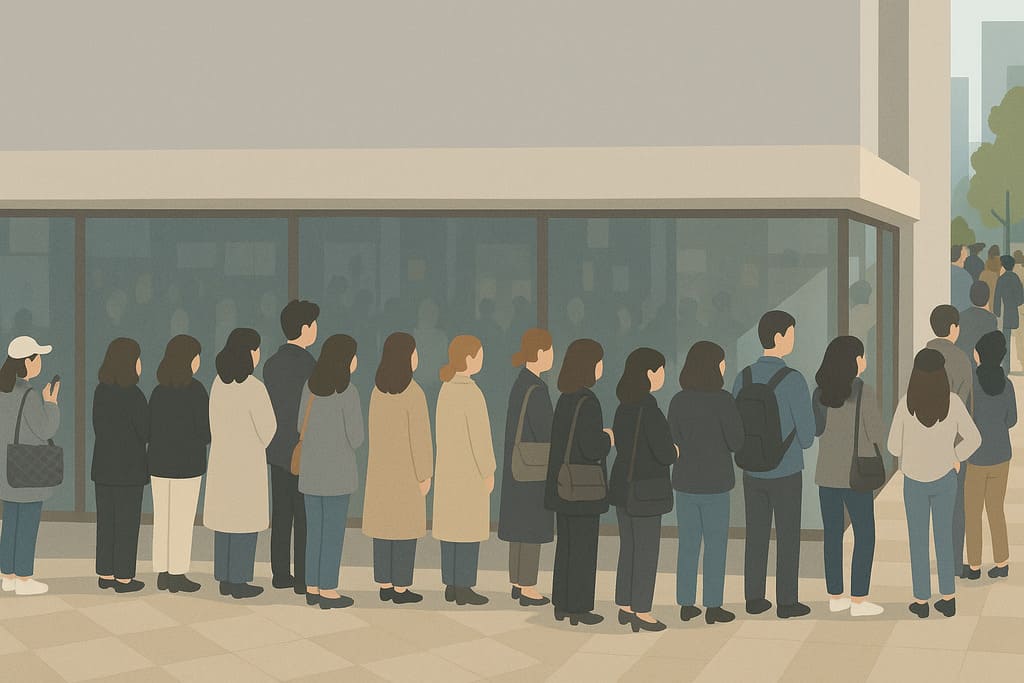
A recent survey shows why: 73% of Korean consumers said they would still buy luxury items even if prices rise. Many value brand reputation and prefer one high-quality product over many cheaper ones. For global luxury brands, Korea stands out as a profitable and loyal market—where price increases don’t stop the long lines.
 를 눌러보세요!
an increase in the price of something
There was a price hike in electricity bills this month.very expensive and of high quality
They opened a high-end restaurant downtown.strong support or love for a person, group, or brand
His loyalty to the team never changed.strongly focused on expensive and fancy items
Her style is very luxury-driven.what people think about someone or something
He has a bad reputation for being late.making a lot of money
The business became very profitable.를 눌러보세요!used to mean raising a price or number
The company brought up the price of their products last month.to be easy to notice because something is different, better, or more interesting
His bright yellow jacket stood out in the crowd.를 눌러보세요!1. Why do you think people in Korea are still buying luxury goods even after price increases?
물가 상승에도 불구하고 한국 사람들이 여전히 명품을 구매하는 이유는 무엇이라고 생각하시나요?
· status symbol (지위의 상징)
· social pressure (사회적 압박)
· keep up with trends (유행을 따라가다)
2. Do you think luxury items are a good investment?
명품이 좋은 투자라고 생각하시나요?
· hold its value (가치를 유지하다)
· appreciate over time (시간이 지나면서 가치가 오르다)
· resale value (재판매 가치)
3. How important is brand reputation to you when buying something expensive?
고가의 제품을 구매할 때 브랜드 평판은 얼마나 중요하게 생각하시나요?
· build trust (신뢰를 쌓다)
· long-standing reputation (오래된 명성)
· quality assurance (품질 보증)
4. What is more important to you: buying one high-quality item or many cheaper items?
고품질 상품 하나를 구매하는 것과 저렴한 상품을 여러 개 구매하는 것 중 어떤 것이 더 중요합니까?
· cost per wear (착용당 비용)
· long-term investment (장기 투자)
· durability matters (내구성이 중요하다)
5. In your opinion, which luxury brand is the most popular in your country, and why?
귀하의 국가에서 가장 인기 있는 명품 브랜드는 무엇이며 그 이유는 무엇이라고 생각하시나요?
· brand recognition (브랜드 인지도)
· appeal to consumers (소비자들에게 어필하다)
· market dominance (시장 지배력)
6. What are the advantages and disadvantages of spending money on luxury goods?
명품에 돈을 쓰는 것의 장점과 단점은 무엇인가요?
· instant gratification (즉각적인 만족감)
· financial burden (재정적 부담)
· boost confidence (자신감을 높이다)
7. If you had unlimited money, would your shopping habits change? How?
무제한의 돈이 있다면 쇼핑 습관이 바뀔까요? 어떻게요?
· splurge on (돈을 아낌없이 쓰다)
· spending habits (소비 습관)
· impulse buying (충동구매)
Koreans line up to buy luxury goods before prices go up