
 Study
Study
the natural 24-hour cycle in the body that controls sleep, wakefulness, and other daily functions
생체 리듬
 Jet lag can disturb your circadian rhythm.
Correction Result
changed or stopped from working normally
방해받은, 교란된
The storm disrupted the power supply.
Correction Result
the process your body uses to turn food into energy
신진대사
Exercise can help speed up your metabolism.
Correction Result
the process of using stored fat as energy
지방 연소
Cardio exercises help with fat burning.
Correction Result
to control or manage something so that it works properly or stays at the right level
조절하다, 규제하다
The thermostat regulates the room temperature automatically.
Correction Result
foods with a lot of protein and little fat, like chicken or fish
저지방 단백질
Athletes often eat lean proteins to build muscle.
Correction Result

to match or work well with something
~와 일치하다
Her goals align with the company’s values.
Correction Result
to become slower or make something slower
속도를 늦추다
Eating late at night can slow down your digestion.
Correction Result
What time do you usually eat dinner? Why?
보통 몇 시에 저녁 식사를 하나요? 왜요?
· fit into my schedule (일정에 맞추다)
· work around (~에 맞춰 조정하다)
· eating habits (식습관)
Correction Result
Do you notice any changes in your sleep or appetite during winter?
겨울철에 수면이나 식욕에 변화가 있나요?
· seasonal changes (계절 변화)
· feel sluggish (나른하다)
· crave comfort food (위안이 되는 음식을 갈망하다)
Correction Result
What are some challenges of eating dinner before 7 p.m.?
저녁 7시 이전에 저녁을 먹으면 어떤 어려움이 있나요?
· work schedule (근무 일정)
· social gatherings (사교 모임)
· rush through dinner (저녁을 서둘러 먹다)
Correction Result
How does late-night eating affect your body or mood?
야식은 신체나 기분에 어떤 영향을 미치나요?
· disrupt sleep (수면을 방해하다)
· feel bloated (속이 더부룩하다)
· digestive problems (소화 문제)
Correction Result
Have you ever tried changing your dinner time? What happened?
저녁 식사 시간을 변경해 본 적이 있나요? 어떻게 되었나요?
· adjust my routine (일과를 조정하다)
· make a conscious effort (의식적으로 노력하다)
· stick to (~을 고수하다)
Correction Result
Would you be willing to eat dinner earlier for better health? Why or why not?
건강을 위해 저녁 식사를 더 일찍 드시겠습니까? 왜 또는 왜 안 되나요?
· worth the effort (노력할 가치가 있다)
· lifestyle change (생활 방식 변화)
· long-term benefits (장기적인 이점)
Correction Result
Do you agree that the timing of meals is as important as the food itself? Why or why not?
식사 타이밍이 음식 자체만큼이나 중요하다는 데 동의하시나요? 왜 또는 왜 그렇지 않나요?
· play a role (역할을 하다)
· equally important (똑같이 중요하다)
· overall health (전반적인 건강)
Correction Result
What are some healthy winter dinner ideas in your culture?
여러분의 문화권에서 건강한 겨울 저녁 식사 아이디어는 어떤 것이 있나요?
· hearty meals (든든한 식사)
· warming dishes (몸을 따뜻하게 하는 요리)
· seasonal ingredients (제철 재료)
Correction Result
How do artificial lights (phones, TV, etc.) affect your sleep at night?
인공 조명(휴대폰, TV 등)은 밤에 수면에 어떤 영향을 주나요?
· blue light exposure (블루라이트 노출)
· wind down (긴장을 풀다)
· interfere with (~을 방해하다)
Correction Result
2. AI 서버의 문제, 회사의 사정 등 여러 이유로 AI 스터디 기능이 중지될 수 있으며, 언제든 AI 스터디 서비스가 종료될 수 있습니다.
3. AI 스터디의 교정문은 대체로 정확하나, 학습된 데이터로 결과물을 출력한다는 특성으로 인해 오류가 있는 교정문을 출력할 수 있습니다.
4. 유저가 입력한 문장과 교정문은 익명으로 AI 학습에 활용될 수 있으며, 다른 유저와 공유되어 학습자료로 활용될 수 있습니다. 민감한 개인정보를 입력하지 말아주세요.
5. AI 스터디의 목적에 부합하지 않는 내용을 입력하는 경우 AI 스터디 이용이 제한될 수 있습니다.
6. 욕설 혹은 타인을 비방하는 표현은 입력이 금지되며, 입력하는 경우 AI 스터디 이용이 제한될 수 있습니다.
마지막 업데이트: 2023/09/14

겨울엔 왜 저녁을 더 일찍 먹어야 할까?
Why You Should Eat Dinner Earlier During Winter

 AI study
 Listen

Read the article, and if you're not sure what it means, click the sentence to see the Korean translation!
The Korean translation is generated by AI and may contain errors. Please use it as a guide.
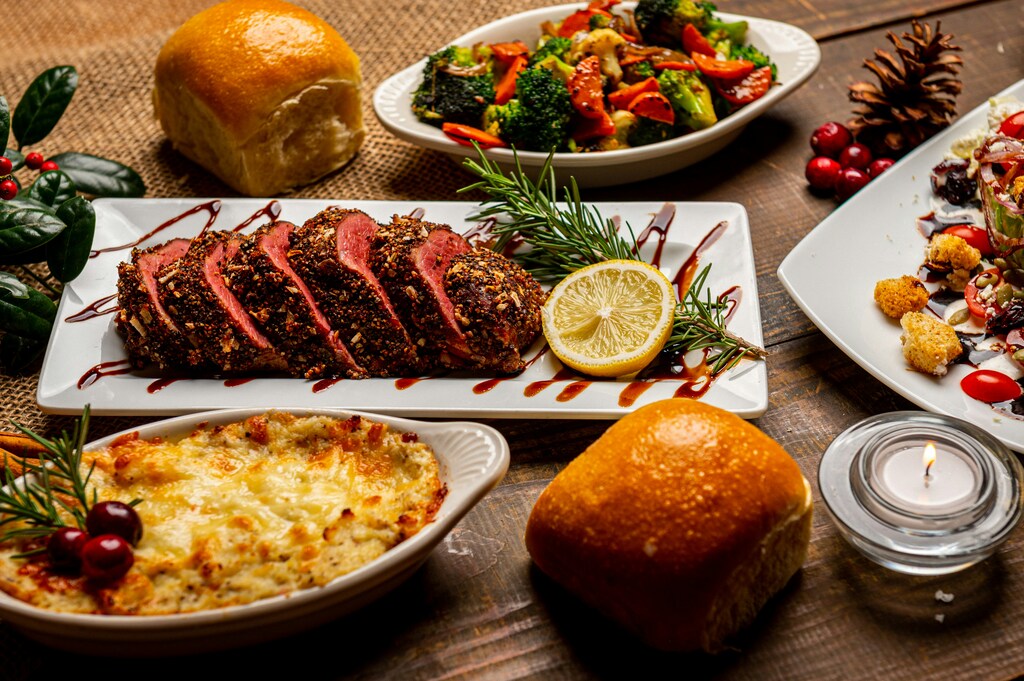
As winter arrives and daylight shortens, our internal body clock, or circadian rhythm, can become disrupted. This affects sleep, digestion, and metabolism. Experts now suggest that the timing of your dinner matters just as much as what you eat—especially in winter. Eating earlier, between 5:30 and 7:00 p.m., helps your body align with natural rhythms, leading to better blood sugar control, faster digestion, and improved sleep. Late-night meals, especially after 9:00 p.m., slow down fat burning, disturb hormone balance, and may lead to weight gain or poor sleep.
Earlier dinners also support the release of important hormones like melatonin and insulin, which regulate sleep and appetite. To make this shift easier, consider eating a bigger breakfast and lunch, and keeping dinner light—like soups, vegetables, or lean proteins. Sticking to a consistent eating schedule and avoiding heavy foods or caffeine late in the evening can further enhance your metabolism and overall well-being during the colder months.
 를 눌러보세요!
the natural 24-hour cycle in the body that controls sleep, wakefulness, and other daily functions
Jet lag can disturb your circadian rhythm.changed or stopped from working normally
The storm disrupted the power supply.the process your body uses to turn food into energy
Exercise can help speed up your metabolism.the process of using stored fat as energy
Cardio exercises help with fat burning.to control or manage something so that it works properly or stays at the right level
The thermostat regulates the room temperature automatically.foods with a lot of protein and little fat, like chicken or fish
Athletes often eat lean proteins to build muscle.를 눌러보세요!to match or work well with something
Her goals align with the company’s values.to become slower or make something slower
Eating late at night can slow down your digestion.를 눌러보세요!1. What time do you usually eat dinner? Why?
보통 몇 시에 저녁 식사를 하나요? 왜요?
· fit into my schedule (일정에 맞추다)
· work around (~에 맞춰 조정하다)
· eating habits (식습관)
2. Do you notice any changes in your sleep or appetite during winter?
겨울철에 수면이나 식욕에 변화가 있나요?
· seasonal changes (계절 변화)
· feel sluggish (나른하다)
· crave comfort food (위안이 되는 음식을 갈망하다)
3. What are some challenges of eating dinner before 7 p.m.?
저녁 7시 이전에 저녁을 먹으면 어떤 어려움이 있나요?
· work schedule (근무 일정)
· social gatherings (사교 모임)
· rush through dinner (저녁을 서둘러 먹다)
4. How does late-night eating affect your body or mood?
야식은 신체나 기분에 어떤 영향을 미치나요?
· disrupt sleep (수면을 방해하다)
· feel bloated (속이 더부룩하다)
· digestive problems (소화 문제)
5. Have you ever tried changing your dinner time? What happened?
저녁 식사 시간을 변경해 본 적이 있나요? 어떻게 되었나요?
· adjust my routine (일과를 조정하다)
· make a conscious effort (의식적으로 노력하다)
· stick to (~을 고수하다)
6. Would you be willing to eat dinner earlier for better health? Why or why not?
건강을 위해 저녁 식사를 더 일찍 드시겠습니까? 왜 또는 왜 안 되나요?
· worth the effort (노력할 가치가 있다)
· lifestyle change (생활 방식 변화)
· long-term benefits (장기적인 이점)
7. Do you agree that the timing of meals is as important as the food itself? Why or why not?
식사 타이밍이 음식 자체만큼이나 중요하다는 데 동의하시나요? 왜 또는 왜 그렇지 않나요?
· play a role (역할을 하다)
· equally important (똑같이 중요하다)
· overall health (전반적인 건강)
8. What are some healthy winter dinner ideas in your culture?
여러분의 문화권에서 건강한 겨울 저녁 식사 아이디어는 어떤 것이 있나요?
· hearty meals (든든한 식사)
· warming dishes (몸을 따뜻하게 하는 요리)
· seasonal ingredients (제철 재료)
9. How do artificial lights (phones, TV, etc.) affect your sleep at night?
인공 조명(휴대폰, TV 등)은 밤에 수면에 어떤 영향을 주나요?
· blue light exposure (블루라이트 노출)
· wind down (긴장을 풀다)
· interfere with (~을 방해하다)
How Many Meals Should You Eat a Day?