Study
When a large number of people go to a certain place or area.
몰려들다
 Thousands of people flocked to the mall for Black Friday.
Correction Result
Full of energy or life. Bright and colorful.
활기찬, 생동감 있는
I really want to make my room more vibrant by repainting the walls.
Correction Result
The lifestyle of people living in a city.
도시 생활
This city has long been renowned for its unique and relaxing city life.
Correction Result
To motivate someone to do something, often by offering them something in return.
동기를 부여하다
We can incentivize people to come to the event by offering them free snacks and drinks.
Correction Result
Relating to or coming from a specific area or part of a country.
지역의
The regional government has introduced several new laws.
Correction Result
Important. Essential.
핵심적인, 중요한
It is key to stay confident and calm during a job interview.
Correction Result

What do you think about the number of international students studying in South Korea increasing by 69% in three years?
한국에서 공부하는 유학생 수가 3년 만에 69% 증가했다는 사실에 대해 어떻게 생각하시나요?
· a sharp increase (급격한 증가)
· reflect growing interest (증가하는 관심을 반영하다)
· educational opportunities (교육 기회)
Correction Result
Have you ever studied abroad before? If so, where did you study and what did you think of it? If not, do you want to in the future?
예전에 유학을 다녀온 적이 있나요? 있다면, 어디에서 공부했고 그 경험은 어땠나요? 만약 없다면, 앞으로 유학을 가고 싶으신가요?
· broaden one's horizons (시야를 넓히다)
· immerse oneself in (~에 몰입하다)
· cultural exchange (문화 교류)
Correction Result
What types of challenges do you think international students may face when studying in South Korea?
유학생들이 한국에서 유학할 때 어떤 어려움에 직면할 수 있다고 생각하시나요?
· language barrier (언어 장벽)
· adjust to (~에 적응하다)
· feel homesick (향수병을 느끼다)
Correction Result
What are the best ways to incentivize international students in South Korea to continue staying in the country after they graduate?
한국에 유학 중인 유학생들이 졸업 후에도 계속 한국에 머물도록 장려하기 위한 가장 좋은 방법은 무엇일까요?
· job opportunities (취업 기회)
· settle down (정착하다)
· work visa (취업 비자)
Correction Result
What is university life like in your country? Did you enjoy your time in university?
여러분의 나라에서는 대학 생활이 어떤가요? 대학 시절을 즐겁게 보내셨나요?
· campus life (캠퍼스 생활)
· make lifelong friends (평생 친구를 사귀다)
· extracurricular activities (课外 활동)
Correction Result
If an international student asked you which South Korean city they should choose to live in, what would you say and why?
만약 유학생이 여러분에게 한국에서 어느 도시에 살면 좋을지 물어본다면, 어떤 도시를 추천하시겠으며 그 이유는 무엇인가요?
· cost of living (생활비)
· public transportation (대중교통)
· vibrant atmosphere (활기찬 분위기)
Correction Result
Where do people in your country often go to study abroad?
귀국에서는 사람들이 주로 어디로 유학을 가나요?
· popular destination (인기 있는 목적지)
· pursue higher education (고등 교육을 추구하다)
· English-speaking countries (영어권 국가)
Correction Result
What do you think are the best things about living in South Korea?
한국에서 사는 것의 가장 좋은 점은 무엇이라고 생각하시나요?
· convenient infrastructure (편리한 인프라)
· safe environment (안전한 환경)
· rich cultural heritage (풍부한 문화유산)
Correction Result
What do you think about K-culture exploding in popularity internationally in recent years? How has this impacted South Korea?
최근 몇 년간 K-문화가 전 세계적으로 폭발적인 인기를 끌고 있는 현상에 대해 어떻게 생각하시나요? 이것이 한국에 어떤 영향을 미쳤나요?
· global phenomenon (세계적인 현상)
· soft power (소프트 파워)
· boost tourism (관광을 활성화하다)
Correction Result
2. AI 서버의 문제, 회사의 사정 등 여러 이유로 AI 스터디 기능이 중지될 수 있으며, 언제든 AI 스터디 서비스가 종료될 수 있습니다.
3. AI 스터디의 교정문은 대체로 정확하나, 학습된 데이터로 결과물을 출력한다는 특성으로 인해 오류가 있는 교정문을 출력할 수 있습니다.
4. 유저가 입력한 문장과 교정문은 익명으로 AI 학습에 활용될 수 있으며, 다른 유저와 공유되어 학습자료로 활용될 수 있습니다. 민감한 개인정보를 입력하지 말아주세요.
5. AI 스터디의 목적에 부합하지 않는 내용을 입력하는 경우 AI 스터디 이용이 제한될 수 있습니다.
6. 욕설 혹은 타인을 비방하는 표현은 입력이 금지되며, 입력하는 경우 AI 스터디 이용이 제한될 수 있습니다.
마지막 업데이트: 2023/09/14
한국 유학 인기 급상승…외국인 유학생 3년 새 69% 늘어
Number of International Students in South Korea Has Increased by 69% in Three Years


 Listen
 AI study
Read the article, and if you're not sure what it means, click the sentence to see the Korean translation!
The Korean translation is generated by AI and may contain errors. Please use it as a guide.
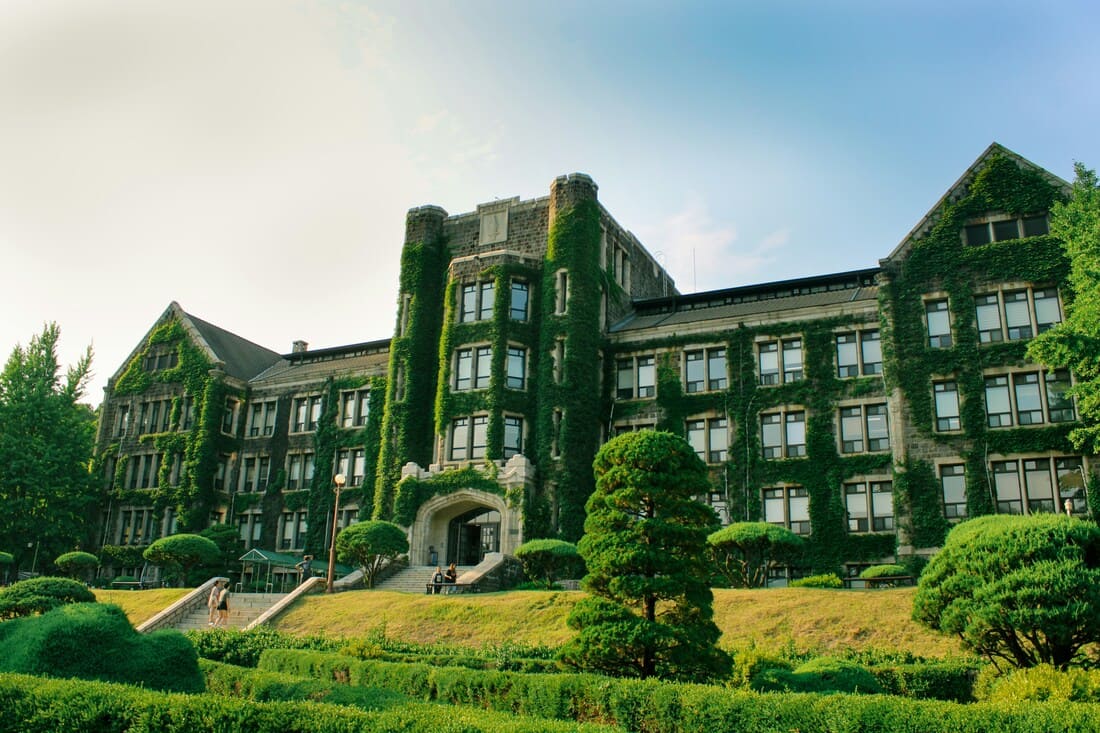
A new report released by The Financial Times (FT) has found that international students are flocking to South Korea and choosing cities like Seoul over Paris, London, and New York. According to its data, the number of international students in South Korean universities has reached 307,500, a 69% increase compared to three years ago. The FT found that students are choosing to live in Seoul due to its vibrant city life, lower rent compared to many large cities in Western countries, and the growing global interest in K-culture. In particular, this has attracted large numbers of students from the US and Europe.
Seoul also managed to claim the top spot in the QS Best Student Cities rankings this year for the first time ever. Other cities in South Korea have also seen a rise in international students. The international student population of Busan has increased by 30% over the past year, reaching 24,328. Busan has also incentivized international students to stay and work in the city after they finish their studies through regional work visa programs. In addition, the city recently introduced the Study Busan Hub, which lets international students access key services such as healthcare, Korean language tutoring, and visa services in one place.
AI study
 를 눌러보세요!
When a large number of people go to a certain place or area.
Thousands of people flocked to the mall for Black Friday.Full of energy or life. Bright and colorful.
I really want to make my room more vibrant by repainting the walls.The lifestyle of people living in a city.
This city has long been renowned for its unique and relaxing city life.To motivate someone to do something, often by offering them something in return.
We can incentivize people to come to the event by offering them free snacks and drinks.Relating to or coming from a specific area or part of a country.
The regional government has introduced several new laws.Important. Essential.
It is key to stay confident and calm during a job interview.
AI study
1. According to the FT, why are international students choosing to study in South Korea?
파이낸셜 타임스(FT)에 따르면, 유학생들은 왜 한국에서 유학을 선택하고 있는 것일까?
2. What did Seoul claim the top spot in for the first time ever this year?
올해 서울은 어떤 분야에서 사상 처음으로 1위를 차지했나요?
3. What types of services does the Study Busan Hub offer?
‘스터디 부산 허브’에서는 어떤 종류의 서비스를 제공하나요?
AI study
를 눌러보세요!1. What do you think about the number of international students studying in South Korea increasing by 69% in three years?
한국에서 공부하는 유학생 수가 3년 만에 69% 증가했다는 사실에 대해 어떻게 생각하시나요?
· a sharp increase (급격한 증가)
· reflect growing interest (증가하는 관심을 반영하다)
· educational opportunities (교육 기회)
2. Have you ever studied abroad before? If so, where did you study and what did you think of it? If not, do you want to in the future?
예전에 유학을 다녀온 적이 있나요? 있다면, 어디에서 공부했고 그 경험은 어땠나요? 만약 없다면, 앞으로 유학을 가고 싶으신가요?
· broaden one's horizons (시야를 넓히다)
· immerse oneself in (~에 몰입하다)
· cultural exchange (문화 교류)
3. What types of challenges do you think international students may face when studying in South Korea?
유학생들이 한국에서 유학할 때 어떤 어려움에 직면할 수 있다고 생각하시나요?
· language barrier (언어 장벽)
· adjust to (~에 적응하다)
· feel homesick (향수병을 느끼다)
4. What are the best ways to incentivize international students in South Korea to continue staying in the country after they graduate?
한국에 유학 중인 유학생들이 졸업 후에도 계속 한국에 머물도록 장려하기 위한 가장 좋은 방법은 무엇일까요?
· job opportunities (취업 기회)
· settle down (정착하다)
· work visa (취업 비자)
5. What is university life like in your country? Did you enjoy your time in university?
여러분의 나라에서는 대학 생활이 어떤가요? 대학 시절을 즐겁게 보내셨나요?
· campus life (캠퍼스 생활)
· make lifelong friends (평생 친구를 사귀다)
· extracurricular activities (课外 활동)
6. If an international student asked you which South Korean city they should choose to live in, what would you say and why?
만약 유학생이 여러분에게 한국에서 어느 도시에 살면 좋을지 물어본다면, 어떤 도시를 추천하시겠으며 그 이유는 무엇인가요?
· cost of living (생활비)
· public transportation (대중교통)
· vibrant atmosphere (활기찬 분위기)
7. Where do people in your country often go to study abroad?
귀국에서는 사람들이 주로 어디로 유학을 가나요?
· popular destination (인기 있는 목적지)
· pursue higher education (고등 교육을 추구하다)
· English-speaking countries (영어권 국가)
8. What do you think are the best things about living in South Korea?
한국에서 사는 것의 가장 좋은 점은 무엇이라고 생각하시나요?
· convenient infrastructure (편리한 인프라)
· safe environment (안전한 환경)
· rich cultural heritage (풍부한 문화유산)
9. What do you think about K-culture exploding in popularity internationally in recent years? How has this impacted South Korea?
최근 몇 년간 K-문화가 전 세계적으로 폭발적인 인기를 끌고 있는 현상에 대해 어떻게 생각하시나요? 이것이 한국에 어떤 영향을 미쳤나요?
· global phenomenon (세계적인 현상)
· soft power (소프트 파워)
· boost tourism (관광을 활성화하다)